
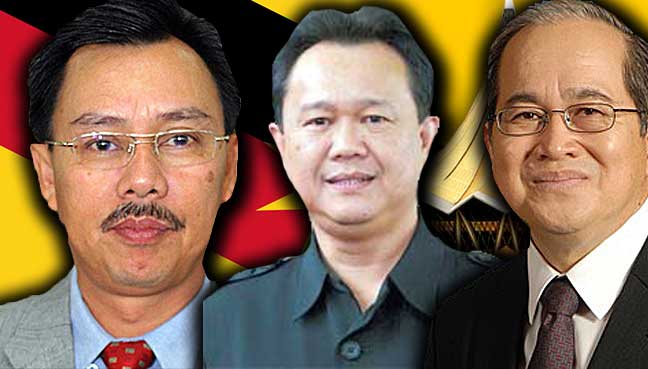
For decades, the Dayak community has contributed significantly to the social, cultural, and economic development of Sarawak. Yet despite being one of the largest indigenous communities in the state, many continue to ask a difficult question: Why has the Dayak political voice remained relatively weak?
Many observers believe the answer lies in one persistent issue—political fragmentation.
A Voice Divided
Unlike communities that are able to rally behind a common political agenda, the Dayak vote has often been divided among numerous political parties. While political diversity is a normal feature of democracy, fragmentation can make it difficult for a community to speak with one voice on issues affecting its future.
When leaders are scattered across different parties with competing priorities, it becomes more challenging to pursue long-term goals that benefit the wider Dayak community.
Lessons from History
Sarawak’s political history has seen the rise and fall of several Dayak-based political parties, including PBDS, SNAP, and PRS. These movements carried great hopes at different times, but internal disagreements, leadership disputes, and political realignments often weakened their influence.
History suggests that political strength is not determined solely by numbers—it also depends on unity, discipline, and a shared vision.
The Real Cost of Division
Political fragmentation carries consequences beyond elections.
Many rural Dayak communities continue to face challenges such as:
- Limited economic opportunities
- Uneven infrastructure development
- Educational barriers
- Youth migration to urban centres
- Native Customary Rights (NCR) land concerns
While development has taken place in many areas, many still believe that greater political cohesion could help ensure these issues receive stronger and more consistent attention.
Leadership Beyond Personal Interests
Communities flourish when leaders place public service above personal ambition.
People naturally expect their elected representatives to:
- Champion community interests
- Promote education and employment
- Protect indigenous rights
- Encourage sustainable economic development
- Build unity instead of division
Leadership should ultimately be measured by the long-term progress of the people rather than by political titles or personal achievements.
The Growing Role of Civil Society
As public expectations evolve, Dayak non-governmental organisations (NGOs), professional associations, youth groups, and community organisations have become increasingly active in discussing issues affecting the Dayak community.
These organisations provide platforms for dialogue, leadership development, education, and public awareness, helping to strengthen civic participation beyond party politics.
A New Generation, A New Opportunity
Today’s young Dayaks are better educated, more connected, and more informed than any previous generation.
They are increasingly interested in:
- Good governance
- Transparency
- Accountability
- Merit-based leadership
- Economic empowerment
- Unity across communities
Rather than asking which political party to support, many are asking a more important question:
Which leaders can genuinely deliver results for the people?
Moving Forward Together
Political differences will always exist in a healthy democracy. However, differences need not become permanent divisions.
The future of the Dayak community depends not only on electing capable leaders but also on building a shared vision centred on education, economic opportunity, responsible leadership, and community development.
A united voice does not require everyone to belong to the same political party. It requires agreement on common priorities and a willingness to place the interests of future generations above individual ambitions.
The strength of a community is measured not by the number of its leaders, but by the unity of its people.
If the Dayak community can transform political competition into constructive collaboration, the “broken shield” may yet become a symbol of renewal rather than division.
Source : The Ant Daily by Jimmy Adit
 Indie Borneo
Thats what happen to us dayaks and the current leaders are totally ignorance of this catasyrophe
LikeLike