
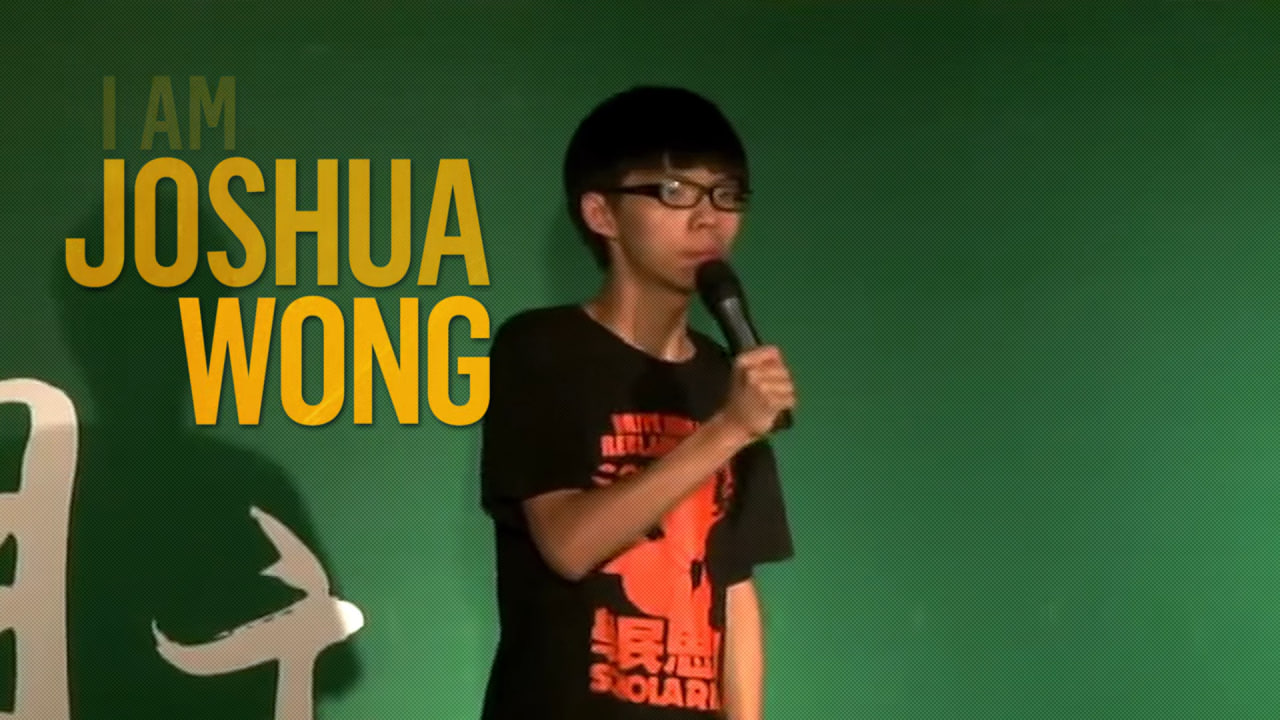
Joshua: Teenager vs. Superpower is a 2017 documentary about Joshua Wong, a teenager who rallies Hong Kong youth in dissent during the 2014 Hong Kong Occupy Movement when the Chinese Communist Party reneged on its promise of autonomy to the territory. At Sundance, Netflix negotiated worldwide viewing rights for the documentary. The film premiered at the 2017 Sundance Film Festival.


In an era where young people are often underestimated in politics, Joshua: Teenager vs. Superpower stands as a powerful reminder that age does not determine influence. The 2017 documentary tells the extraordinary story of Joshua Wong, a teenage activist who helped ignite one of the most significant democratic movements in modern Hong Kong history.
Directed by Joe Piscatella, the documentary captures the passion, courage, and determination of students who refused to remain silent when their political freedoms were threatened. More than just a film about protests, it is a portrait of a generation fighting to protect its future.
The Rise of a Teenage Activist
Joshua Wong first became politically active as a secondary school student. While many teenagers focused on ordinary school life, Wong was organizing rallies, speaking publicly, and challenging government decisions. He believed that the people of Hong Kong deserved genuine democratic rights and freedom from political interference.
The documentary traces his journey from student activist to international symbol of youth resistance. It shows how ordinary students transformed into organized political voices capable of mobilizing thousands across the city.
At the center of the story is the growing frustration among Hong Kong citizens after Beijing limited electoral reforms, despite earlier promises of greater autonomy under the “One Country, Two Systems” framework.
The Umbrella Movement


The film heavily focuses on the 2014 Occupy protests, also known globally as the Umbrella Movement. The movement emerged after China’s central government announced restrictions on how Hong Kong’s leader would be elected, sparking outrage among students and pro-democracy groups.
Thousands of demonstrators occupied major roads and public spaces, demanding free and fair elections. Umbrellas became a symbol of resistance after protesters used them to shield themselves from police pepper spray and tear gas.
What made the movement remarkable was the scale of youth participation. University and secondary school students became the face of the demonstrations, proving that political awareness and leadership could emerge from the younger generation.
The documentary captures emotional moments from the streets — speeches, arrests, confrontations with police, and the determination of protesters who believed they were defending the future of their city.
Youth Power and Political Awakening
One of the documentary’s strongest messages is the power of civic participation. Joshua: Teenager vs. Superpower challenges the idea that politics belongs only to older generations or established leaders.
Joshua Wong and his fellow activists demonstrated how young people could influence public debate, organize movements, and inspire international attention. Their activism sparked discussions around the world about democracy, freedom of expression, and human rights.
The film also raises larger questions:
- What happens when governments ignore public demands?
- How far should citizens go to defend democratic rights?
- Can youth movements reshape national politics?
These themes resonate far beyond Hong Kong and continue to remain relevant today.
International Recognition
The documentary premiered at the Sundance Film Festival, one of the world’s most respected platforms for independent cinema. Following its successful debut, Netflix acquired worldwide distribution rights, allowing global audiences to witness the movement and its young leaders firsthand.
Its release introduced millions of viewers to Hong Kong’s political struggles and the personal sacrifices made by activists.
More Than a Documentary


Joshua: Teenager vs. Superpower is more than a political documentary. It is a story about conviction, courage, and the belief that ordinary people — especially the youth — can challenge powerful systems.
Whether viewers agree with the movement or not, the film presents an important historical record of a generation demanding to be heard. It reminds audiences that democracy, freedom, and civic participation are never guaranteed permanently; they are values that people continuously struggle to protect.
In many ways, the documentary captures a universal truth: when young people become politically conscious, they can become one of the strongest forces for social change.
Source : Netflix
 Indie Borneo