

Success stories often sound simple after they happen. But the journey of Mark Cuban — billionaire entrepreneur, investor, and owner of the Dallas Mavericks — was built on years of hustle, risk-taking, and smart timing.
From selling garbage bags door-to-door as a kid to building billion-dollar companies, Cuban’s story proves that massive wealth often comes from spotting opportunities before everyone else.
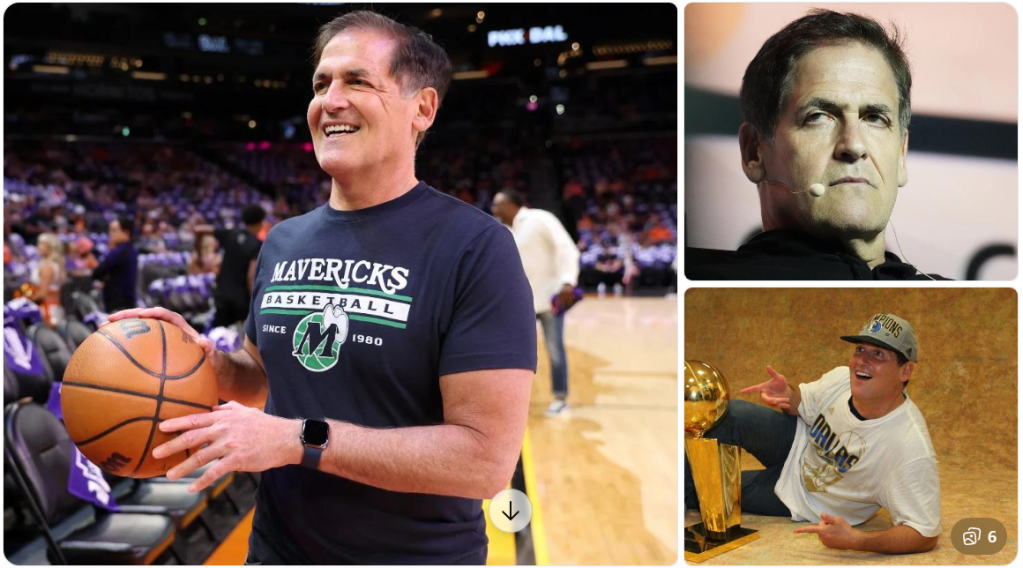
Early Hustle and Entrepreneurial Mindset
Mark Cuban showed entrepreneurial instincts early in life. As a teenager, he sold stamps, coins, and even newspapers to make extra money. He understood one important principle very young:
If you want more freedom, learn how to create value.
Instead of relying on one source of income, Cuban constantly searched for ways to earn more and improve his skills.
After college, he moved to Dallas and worked in software sales. But even while employed, he was learning about computers, technology, and business trends that would later change his life.
Building His First Successful Business
Cuban eventually started a computer consulting company called MicroSolutions. The business helped companies understand and use computer technology more effectively during the early rise of personal computers.
As demand for technology exploded, so did his company.
A few years later, Cuban sold MicroSolutions for millions of dollars. Most people would have retired after that kind of success — but Cuban was just getting started.
The Billion-Dollar Breakthrough
The biggest turning point came when Cuban co-founded Broadcast.com.
At the time, internet streaming was still new. Most people had no idea that audio and video streaming would eventually dominate the world.
Broadcast.com allowed users to stream radio broadcasts and online content over the internet. It was revolutionary for its time.
In 1999, Yahoo! acquired Broadcast.com in a deal worth billions of dollars.
That deal officially made Mark Cuban a billionaire.
Buying the Dallas Mavericks
Instead of simply enjoying his fortune, Cuban invested in something he genuinely loved: basketball.
In 2000, he bought the Dallas Mavericks. At the time, the team struggled both on and off the court.
Cuban transformed the organization by improving player facilities, investing in fan experiences, and becoming one of the NBA’s most passionate owners.
His leadership helped the Mavericks become one of the league’s strongest franchises, eventually winning the NBA Championship in 2011.
Why Mark Cuban Became So Successful
1. He Embraced Technology Early
Cuban understood the power of the internet before most people did. He focused on industries with massive future potential instead of chasing short-term trends.
2. He Took Calculated Risks
Every major success in Cuban’s life involved risk. Starting companies, investing money, and entering new industries all required courage.
But his risks were educated risks — based on research and conviction.
3. He Never Stopped Learning
Cuban is known for constantly reading and studying markets, technology, and business strategies. Continuous learning helped him stay ahead of competitors.
4. He Reinvested His Wealth
Rather than spending everything on luxury, Cuban used his money to buy assets, companies, and investments that could continue growing.
Lessons You Can Learn from Mark Cuban
You do not need billions to apply Cuban’s mindset.
His journey teaches that:
- Skills can become wealth
- Technology creates opportunity
- Timing matters
- Consistency beats excuses
- Passion and business can work together
Most importantly, Mark Cuban’s story proves that becoming wealthy often starts with solving problems and taking action before everyone else does.
Final Thoughts
Mark Cuban did not become successful overnight. His path was built through persistence, learning, smart investments, and the willingness to take risks during moments of change.
Whether you want to build a business, create multiple income streams, or simply improve your financial future, there is a powerful lesson in Cuban’s journey:
Opportunities reward the people who are prepared to act.
View >
Source : Bloomberg
 Indie Borneo