
Making money online often sounds complicated, but one of the simplest and most profitable skills you can learn today is building websites. You don’t need to be a coding genius or own a tech company to get started. In fact, many successful freelance web designers began with zero experience and learned as they went.
One freelancer shared how he earned his very first $500 payment only three months after learning web design. That single project eventually led to long-term clients, recurring income, and a career in digital marketing.
If you want a flexible side hustle or even a future full-time business, here’s how you can start making money building websites from home.
Why Website Building Is a Great Side Hustle
Today, nearly every business needs a website. Restaurants, gyms, dentists, local shops, salons, and service companies all need an online presence.
The problem?
Many small businesses either:
- Have outdated websites
- Have no website at all
- Need help ranking on Google
- Don’t know how to manage WordPress
That creates a massive opportunity for beginners willing to learn.
Unlike many side hustles, website design has:
- Low startup costs
- High demand
- Flexible hours
- Potential recurring income
- Opportunities to work remotely
You can start part-time while keeping your current job.
Step 1: Learn How to Build a Simple Website
Before you sell your services, you need basic experience.
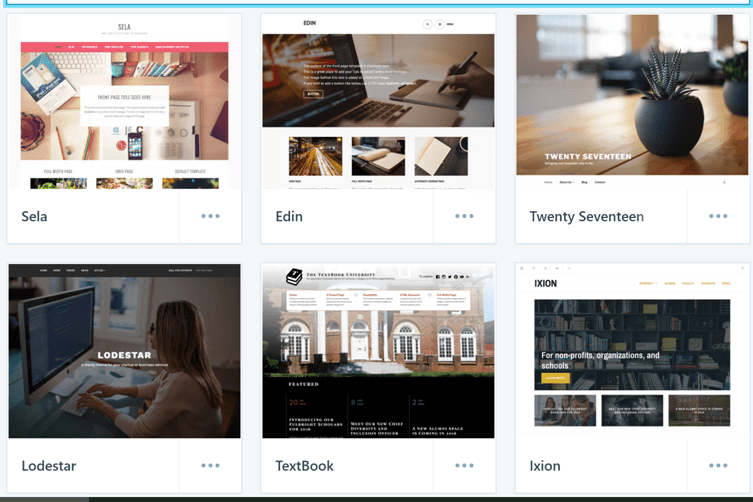
The good news is that modern tools like WordPress make website building easier than ever. You no longer need to master complicated coding languages to create professional websites.
What You Need
1. A Domain Name
A domain is your website address, like:
- yourbusiness.com
Popular registrars include:
2. Web Hosting
Hosting stores your website files online.
Popular hosting providers:
3. WordPress
WordPress is free and powers millions of websites worldwide.
Most hosting companies allow one-click installation.
Step 2: Practice by Building Your Own Website
The fastest way to learn is by doing.
Build:
- A personal blog
- A hobby website
- A local business demo
- An affiliate site
- A portfolio website
Every website you build improves your confidence and skills.
Experiment with:
- Themes
- Plugins
- Menus
- Contact forms
- SEO basics
- Mobile responsiveness
Don’t wait until you “feel ready.”
Most successful freelancers learned while working on real projects.
Step 3: Tell People What You Do
Your first client may come from someone you already know.
The freelancer in the article landed his first paying client through a casual conversation at a wedding. A friend mentioned a local business needing a website, and that opportunity changed everything.
This is why networking matters.
Tell:
- Friends
- Family
- Coworkers
- Local business owners
- Social media contacts
You never know who needs a website.
Step 4: Create a Simple Portfolio
Before meeting clients, create examples of your work.
Your portfolio can include:
- Demo websites
- Practice projects
- Personal websites
- Before-and-after redesign concepts
Clients mainly want to know:
- Can you solve their problem?
- Will the website look professional?
- Can customers use it easily?
You don’t need dozens of projects to start.
Step 5: Learn How to Price Your Services
Many beginners undercharge because they lack confidence.
The article’s author charged $1,000 for his first website and collected:
- $500 upfront
- $500 after completion
That’s a smart model for beginners.
Beginner Pricing Ideas
- Basic website: $500–$1,500
- Business website: $1,500–$5,000
- Monthly maintenance: $50–$300
- SEO services: Additional monthly income
Over time, recurring maintenance income can become extremely profitable.
Step 6: Look for Local Opportunities
You probably won’t design websites for giant corporations immediately.
But local businesses are everywhere.
Search for:
- Restaurants
- Clinics
- Barber shops
- Hotels
- Mechanics
- Small retailers
- Real estate agents
Visit their websites and ask:
- Is the design outdated?
- Is it mobile-friendly?
- Is it slow?
- Is it difficult to navigate?
If the answer is yes, you may have a client opportunity.
Step 7: Learn Sales and Communication
Building websites is only half the business.
You also need to:
- Communicate clearly
- Understand client needs
- Write simple proposals
- Explain pricing confidently
- Set realistic deadlines
Confidence matters.
Even if you’re still learning, professionalism goes a long way.
Step 8: Learn As You Go
One of the biggest lessons from successful freelancers is this:
You do not need to know everything before you start.
You’ll learn:
- Faster by building real projects
- Faster by solving problems
- Faster by working with actual clients
Google, YouTube, and online tutorials can solve almost every beginner problem today.
The key is taking action.
Final Thoughts
Website building is one of the best modern side hustles because it combines:
- Creativity
- Technology
- Business
- Remote work
- Scalable income
You can start with almost no money and gradually build a skill that pays for years.
Many successful web designers started exactly where you are now:
- No experience
- No clients
- No confidence
But by learning consistently and taking action, they turned a simple side hustle into real income and even full-time careers.
Source : https://thomasfadams.com/
 Indie Borneo