
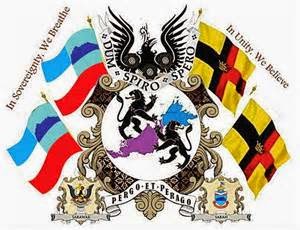
Malaysia Agreement 1963 (MA63): Why Sabah and Sarawak Citizens Must Understand It
The formation of Malaysia on 16 September 1963 was one of the most important political events in Southeast Asian history. However, many Malaysians — especially younger generations — still do not fully understand how the nation was formed or the significance of the Malaysia Agreement 1963 (MA63).
For the people of Sabah and Sarawak, MA63 is not merely a historical document. It is the constitutional and political foundation that defines the rights, safeguards, autonomy, and relationship of the Bornean territories within the Malaysian federation.
Understanding MA63 is important because it shapes discussions about equality, development, identity, governance, and the future of East Malaysia.
The Birth of Malaysia
Malaysia was officially formed through an agreement involving:
- Federation of Malaya
- Sabah (then North Borneo)
- Sarawak
- Singapore
- The United Kingdom
The Malaysia Agreement was signed on 9 July 1963 and came into effect on 16 September 1963, now celebrated annually as Malaysia Day.
Contrary to common misunderstanding, Sabah and Sarawak did not simply become ordinary states joining Malaya. The formation of Malaysia was intended as a partnership between territories to create a new federation.
This distinction remains central to many modern discussions surrounding MA63.
What is MA63?
The Malaysia Agreement 1963 is an international treaty that outlines the terms and conditions under which Sabah, Sarawak, and Singapore agreed to form Malaysia together with Malaya.
The agreement included constitutional safeguards designed to protect:
- Local autonomy
- Indigenous rights
- Religious freedom
- Immigration control
- Native customs and traditions
Singapore later left the federation in 1965, but MA63 continues to hold deep constitutional significance for Sabah and Sarawak today.
Why MA63 Matters to Sabah and Sarawak
Many East Malaysians believe that some promises and safeguards under MA63 were gradually weakened or not fully implemented over the decades.
As a result, MA63 has become an important topic in discussions involving:
- Equal partnership within Malaysia
- Economic fairness
- Political representation
- Oil and gas rights
- Infrastructure development
- State autonomy
For many citizens, MA63 symbolizes the original spirit of the federation — one based on mutual respect, partnership, and recognition of diversity.
Immigration Autonomy
One of the unique rights retained by Sabah and Sarawak is immigration control.
Unlike states in Peninsular Malaysia, Sabah and Sarawak have authority to regulate entry into their territories. Malaysians from West Malaysia generally require permission to work or reside long-term in East Malaysia.
This safeguard was established to protect:
- Local employment opportunities
- Indigenous populations
- Cultural identity
- Social balance
Immigration autonomy remains one of the clearest examples of the special constitutional position of Sabah and Sarawak.
Protection of Indigenous Communities
MA63 also recognized the importance of protecting indigenous peoples and native customs.
Communities such as the:
- Iban
- Bidayuh
- Kadazan-Dusun
- Orang Ulu
continue to preserve their languages, traditions, customary laws, and native land systems.
For many East Malaysians, preserving indigenous identity remains closely tied to the original spirit of MA63.
The 20-Point and 18-Point Agreements
Before Malaysia was formed, Sabah and Sarawak proposed separate safeguards known as:
- The 20-Point Agreement (Sabah)
- The 18-Point Agreement (Sarawak)
These memorandums addressed critical issues including:
- Religion
- Language
- Education
- Land rights
- Borneonisation of civil service
- Constitutional autonomy
Although not all provisions were fully incorporated into the Federal Constitution, these agreements continue to influence political discourse in East Malaysia.
Oil, Gas, and Development Debates
One of the most debated MA63-related issues concerns natural resources, particularly oil and gas revenue.
Sabah and Sarawak are resource-rich territories that contribute significantly to Malaysia’s petroleum industry. However, debates continue over:
- Revenue sharing
- Development allocation
- Infrastructure inequality
- State economic rights
Many East Malaysians argue that despite their resource contributions, development gaps between East and West Malaysia remain visible in areas such as:
- Road connectivity
- Healthcare access
- Education facilities
- Internet infrastructure
These concerns have fueled renewed calls for stronger implementation of MA63 principles.
MA63 in Modern Malaysia
In recent years, MA63 has returned to national attention as political leaders, activists, and civil society groups push for reforms and recognition of Sabah and Sarawak rights.
Constitutional amendments in 2021 restored wording acknowledging Sabah and Sarawak as territories within the federation rather than merely equal to other states. While largely symbolic, many viewed this as an important step toward restoring historical recognition.
Public awareness surrounding MA63 has also increased significantly among younger generations through education, social media discussions, and political movements.
Why Young People Should Learn About MA63
Understanding MA63 is not about promoting separation or hostility between regions. Instead, it is about understanding the historical foundation upon which Malaysia was built.
Knowledge of MA63 helps citizens:
- Understand constitutional history
- Appreciate East Malaysian identity
- Promote fair representation
- Encourage informed political participation
- Strengthen democratic awareness
A stronger understanding of MA63 can contribute toward building a more balanced and inclusive Malaysia for future generations.
Final Thoughts
The Malaysia Agreement 1963 remains one of the most important documents in Malaysian history. For Sabah and Sarawak citizens, it represents more than politics — it represents identity, rights, partnership, and historical recognition.
As discussions about autonomy, development, and federal-state relations continue to evolve, understanding MA63 becomes increasingly important not only for East Malaysians, but for all Malaysians seeking to understand the true foundations of the nation.
Pengenalan MA63 pt1
View >
Pengenalan MA63 pt2
View >
Source : YouTube by Zainnal Ajamain
 Indie Borneo