
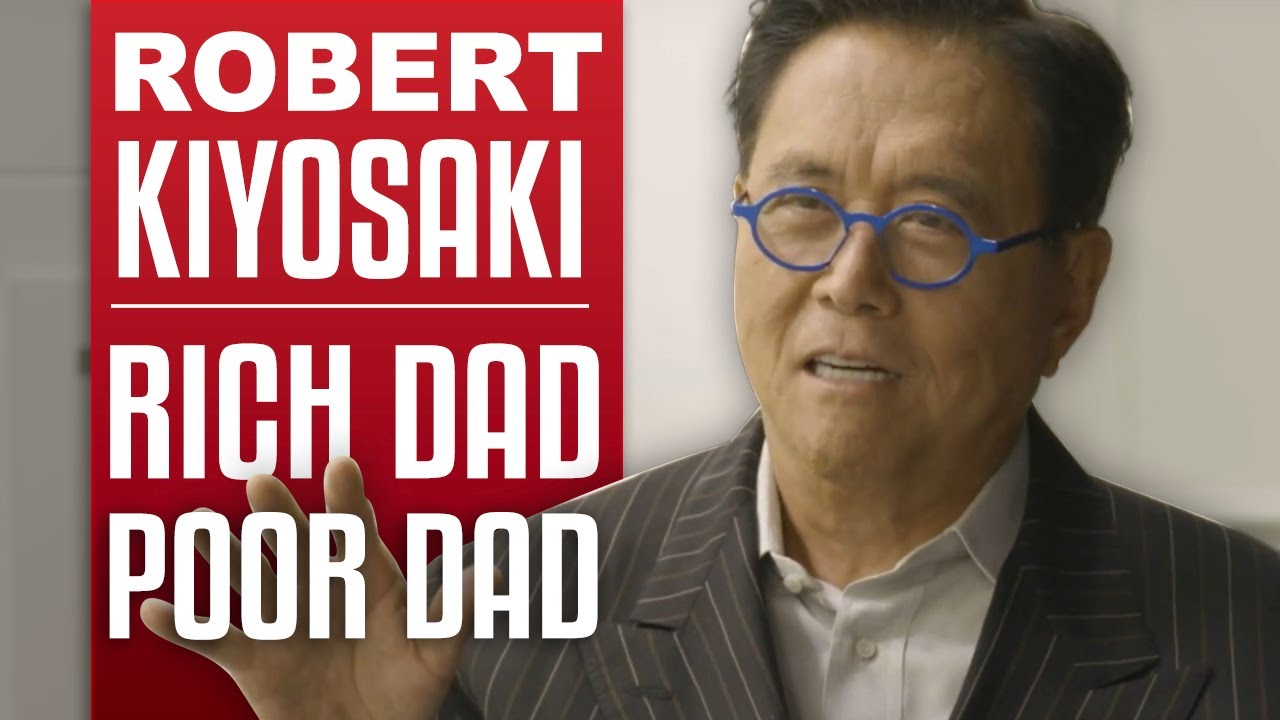
Most people who read Rich Dad Poor Dad remember the famous lessons: “assets put money in your pocket” and “the rich don’t work for money.” But beneath those popular quotes are deeper financial lessons that many readers completely overlook.
These hidden ideas are often the real reason the book changed millions of lives around the world.
If you truly understand these lessons, you will begin to see money, work, and success differently.
1. The Rich Focus on Ownership
One of the most powerful hidden lessons in the book is that wealthy people focus on ownership instead of labor.
Most people spend their entire lives:
- Working for salaries
- Trading time for money
- Depending on one paycheck
The rich think differently.
They build or buy things that continue generating income even when they are sleeping.
This includes:
- Businesses
- Investments
- Rental properties
- Intellectual property
- Digital products
- Stocks
The poor ask:
“How much does this job pay?”
The rich ask:
“What can I own that produces income?”
That shift in thinking changes everything.
2. Schools Teach Employment, Not Financial Freedom
Robert Kiyosaki repeatedly points out that traditional education prepares people to become workers rather than financially independent individuals.
Schools teach:
- Memorization
- Obedience
- Exams
- Job preparation
But very few schools teach:
- Investing
- Taxes
- Entrepreneurship
- Negotiation
- Cash flow management
- Financial intelligence
This is why many highly educated people still struggle financially.
A university degree can help you earn income.
Financial education helps you build wealth.
3. Fear Is the Biggest Financial Enemy
Many people think lack of money is the biggest obstacle to becoming rich.
According to the book, fear is the real problem.
People fear:
- Losing money
- Failure
- Criticism
- Rejection
- Uncertainty
Because of fear, many people:
- Never invest
- Never start businesses
- Stay in jobs they hate
- Avoid opportunities
Wealthy people are not fearless.
They simply learn how to take calculated risks despite fear.
The difference between rich and poor often comes down to courage and decision-making.
4. Your House May Not Be an Asset
This was one of the book’s most controversial lessons.
Most people believe buying a house automatically makes them wealthy. But Robert Kiyosaki argues that if something continuously takes money out of your pocket, it behaves more like a liability.
A home can require:
- Mortgage payments
- Repairs
- Maintenance
- Insurance
- Taxes
Meanwhile, true assets generate income.
The deeper lesson is not “never own a house.”
The lesson is to understand the difference between:
- Emotional purchases
- Income-producing assets
Many people buy expensive lifestyles before building wealth.
The rich usually build wealth first.
5. The Rich Buy Luxury Last
Poor and middle-class people often buy luxury items to look successful.
The wealthy usually delay luxury until their assets can pay for it.
That means:
- Investing first
- Building cash flow first
- Growing businesses first
- Buying luxury later
Real wealth is often invisible at the beginning.
Many millionaires:
- Drive ordinary cars
- Wear simple clothes
- Live below their means
Because they understand one important rule:
Assets create freedom. Appearances create pressure.
6. Financial Intelligence Creates Opportunities
Another hidden lesson from the book is that opportunities are invisible to people without financial knowledge.
Two people can look at the same situation:
- One sees danger
- The other sees opportunity
Why?
Because education changes perspective.
An investor may see:
- Economic crises as buying opportunities
- Problems as business ideas
- Cheap assets during market crashes
The rich train themselves to recognize value where others only see risk.
This is why learning never stops for successful people.
7. Depending on One Income Source Is Risky
One paycheck can disappear overnight.
The book quietly warns readers about the danger of relying entirely on a single source of income.
If your salary stops:
- Bills continue
- Debt remains
- Responsibilities survive
That is why wealthy people create multiple streams of income.
Examples include:
- Investments
- Rental income
- Side businesses
- Online businesses
- Royalties
- Dividends
Financial freedom begins when your income no longer depends entirely on your physical labor.
Final Thoughts
Rich Dad Poor Dad is more than just a book about money. It is a book about mindset.
Its hidden lessons teach us that wealth is not only built through hard work, but through:
- Financial education
- Ownership
- Discipline
- Courage
- Long-term thinking
The biggest transformation happens when you stop asking:
“How can I earn more money?”
…and start asking:
“How can I build assets that create freedom?”
That single change in thinking can completely change your future.
View >
Source : The Better Men Project
 Indie Borneo