
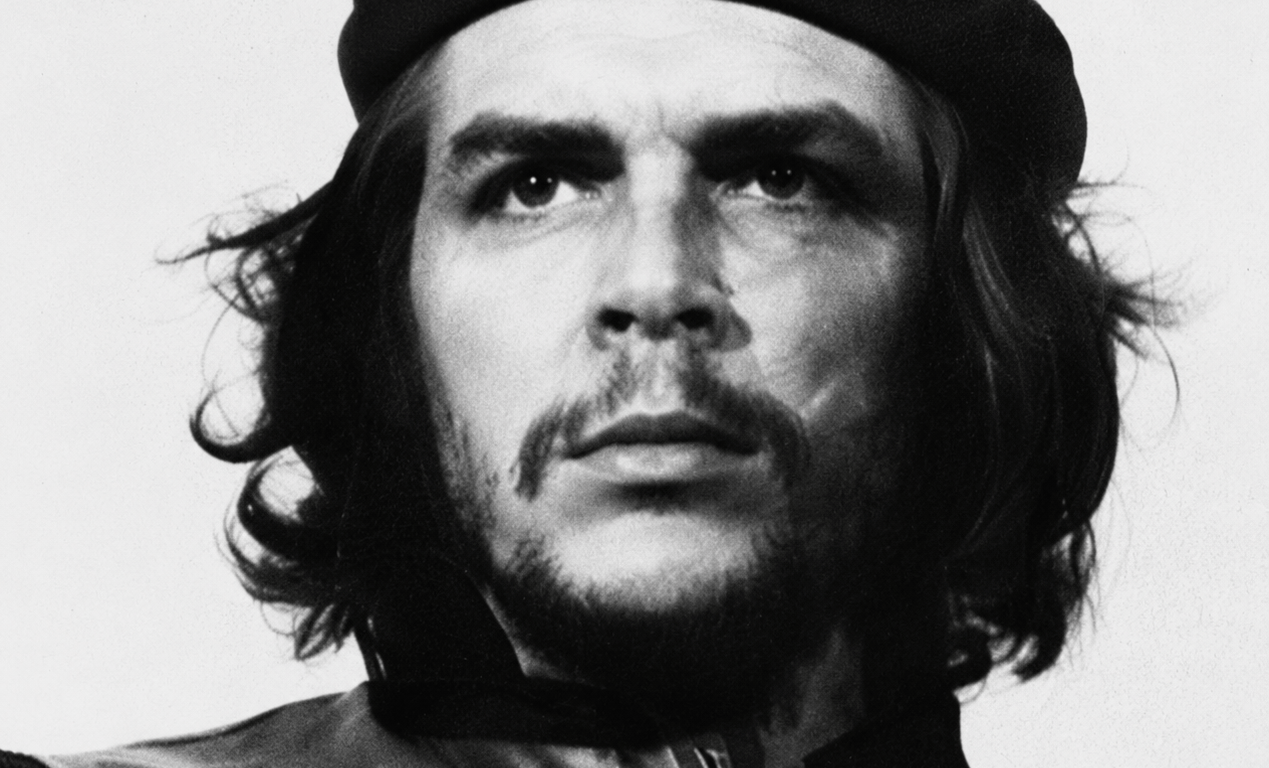
Few revolutionary figures in modern history have become as globally recognizable as Che Guevara. His image — wearing a beret and staring defiantly into the distance — has become a universal symbol of rebellion, resistance, and radical change. To some, he was a hero who fought against inequality and imperialism. To others, he was a controversial revolutionary whose methods were harsh and uncompromising. Regardless of opinion, Che Guevara left an undeniable mark on world history.
Born in Argentina in 1928, Che Guevara was originally trained as a doctor. However, his travels across Latin America exposed him to widespread poverty, exploitation, and social injustice. These experiences transformed his worldview and pushed him toward revolutionary politics. He believed that capitalism had created deep inequality, especially in poorer nations where ordinary people struggled while elites and foreign powers controlled wealth and resources.
Che later joined forces with Fidel Castro during the Cuban Revolution. Together, they led a guerrilla movement that overthrew the Cuban government in 1959. After the revolution, Che became one of the most influential figures in Cuba’s new government, helping shape economic and political policies aimed at building a socialist state.
But Che Guevara’s ambitions extended beyond Cuba. He believed revolution should spread across the world, particularly in regions suffering under colonialism, dictatorship, and economic exploitation. He traveled internationally to support revolutionary movements in Africa and Latin America, hoping to ignite global resistance against systems he believed oppressed the poor.
For many people, especially marginalized communities, Che Guevara became a symbol of courage and defiance. His legacy resonates among those who feel excluded or ignored by political and economic systems dominated by wealth and power. His message centered on sacrifice, solidarity, and fighting for social justice, even at great personal risk.
At the same time, Che remains a deeply controversial figure. Critics point to his involvement in political executions, authoritarian policies, and armed revolutionary violence. Supporters argue that his actions must be understood within the intense political conflicts of the Cold War era. This divide continues to fuel debate about whether Che Guevara should be remembered as a freedom fighter or a dangerous radical.
Decades after his death in Bolivia in 1967, Che Guevara’s influence continues to endure. His face appears on posters, flags, shirts, and protest banners around the world. Whether admired or criticized, he represents the enduring human desire to challenge injustice and reshape society according to ideals of equality and revolution.
In the end, Che Guevara’s story is not simply about one man. It is about the global struggle over power, inequality, and the question of how far people are willing to go in pursuit of change.
View >
Source : Biographics
 Indie Borneo