
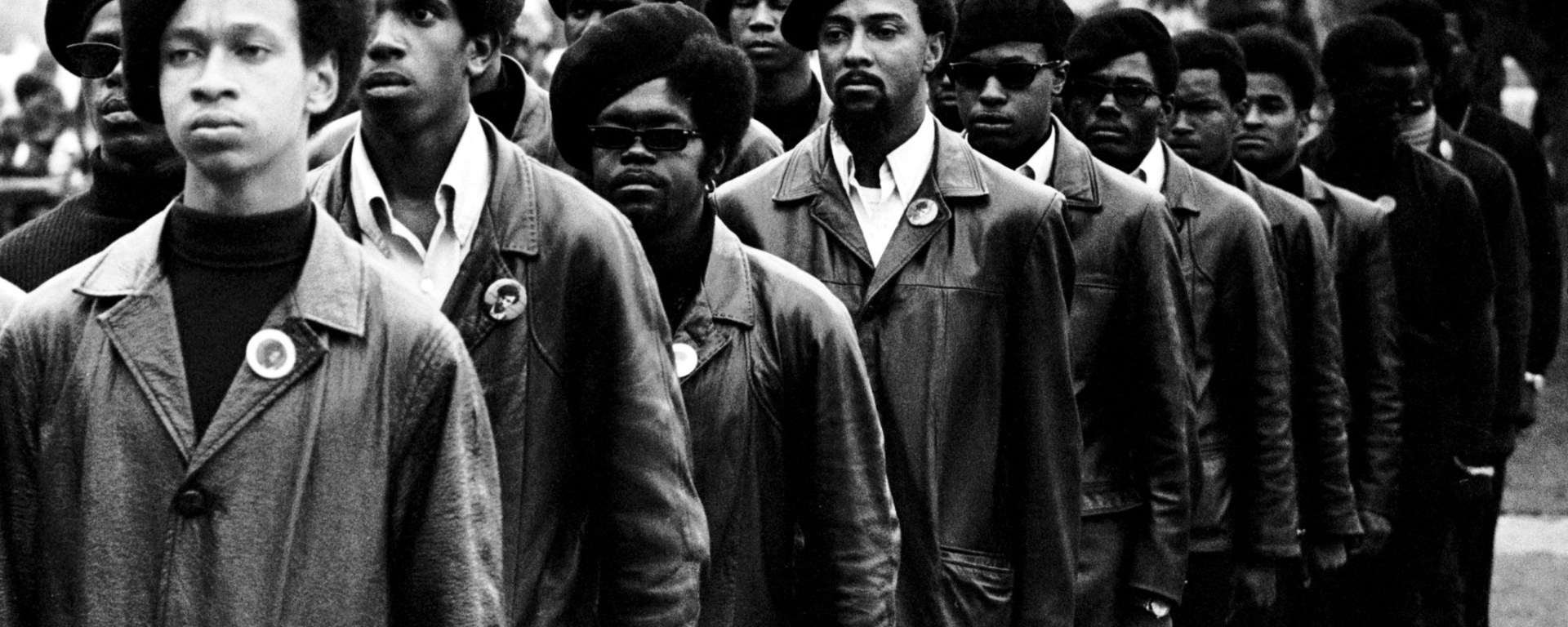
The term “Black Power” became one of the most influential political and cultural slogans of the 20th century. Emerging during the height of the American Civil Rights era, it symbolized a shift from passive resistance toward self-determination, pride, economic empowerment, and community control. More than a slogan, Black Power evolved into a worldwide movement that transformed politics, culture, identity, and activism.
Origins of Black Power
The phrase gained national attention on June 16, 1966, during the March Against Fear after civil rights activist Kwame Ture delivered a fiery speech declaring:
“The only way we gonna stop them white men from whuppin’ us is to take over. What we gonna start sayin’ now is ‘Black Power!’”
This moment marked a turning point in the struggle for racial justice in the United States. Many young African Americans had grown frustrated with the slow progress of the nonviolent Civil Rights Movement led by figures like Martin Luther King Jr.. While earlier movements focused on integration and desegregation, Black Power emphasized independence, dignity, and control over black communities.
The slogan itself is believed to have earlier roots in Richard Wright’s 1954 book Black Power, but it was Ture who transformed it into a rallying cry for a new generation.
Malcolm X and Revolutionary Thinking
One of the most influential figures associated with Black Power ideology was Malcolm X. Unlike leaders who preached patience and nonviolence, Malcolm X argued that black people had the right to defend themselves “by any means necessary.”
His message resonated deeply with African Americans who experienced poverty, police brutality, discrimination, and political exclusion. Malcolm X promoted black pride, economic independence, and cultural identity long before Black Power became a national movement. His ideas later inspired many activists and organizations during the 1960s and 1970s.
The Black Panther Party
The most famous organization linked to the Black Power Movement was the Black Panther Party, founded in 1966 by Huey Newton and Bobby Seale.
The Panthers advocated revolutionary socialism, armed self-defense, and community empowerment. They became widely known for their Ten-Point Program, which demanded freedom, employment, housing, education, and an end to police brutality against African Americans.
Despite their militant image, the Panthers also organized numerous social programs, including:
- Free breakfast programs for children
- Community health clinics
- Educational initiatives
- Assistance for poor families
These programs demonstrated that Black Power was not only about protest but also about building strong and self-sufficient communities.
However, the movement faced intense government repression. The FBI’s COINTELPRO program targeted Black Power organizations through surveillance, infiltration, arrests, and violent crackdowns. Many activists were imprisoned or killed during this period.
Women in the Black Power Movement
Although men often dominated public leadership roles, women played crucial roles in shaping the movement. Activists such as Angela Davis, Elaine Brown, and Assata Shakur became powerful voices for political change and black liberation.
These women challenged racism, sexism, and economic inequality while helping organize grassroots activism across America. Their influence expanded the movement beyond racial politics into broader struggles for social justice.
Black Power and Cultural Identity
Black Power also sparked a major cultural transformation. The movement encouraged African Americans to embrace their heritage, appearance, and identity with pride.
The slogan “Black is Beautiful” rejected Eurocentric beauty standards and celebrated natural African features, hairstyles, and fashion. Afros, African-inspired clothing, and soul culture became symbols of resistance and pride.
At the same time, the Black Arts Movement emerged as a cultural counterpart to Black Power. Writers and artists such as Amiri Baraka, Nikki Giovanni, and Audre Lorde used literature, poetry, and art to explore black identity, struggle, and liberation.
This artistic revolution reshaped African American culture and inspired generations of musicians, writers, filmmakers, and activists.
Global Influence and Legacy
Although born in the United States, the ideas of Black Power spread internationally. Activists and liberation movements in Africa, the Caribbean, and Europe adopted similar themes of racial pride, anti-colonial resistance, and self-determination.
Even after the movement declined in the late 1970s, its influence continued. Modern social justice campaigns, including the Black Lives Matter movement, draw inspiration from Black Power philosophies and organizing strategies.
Today, Black Power remains a symbol of resistance against oppression and a reminder that cultural pride, political awareness, and community empowerment can become powerful tools for change.
Conclusion
The Black Power Movement transformed the struggle for racial justice by demanding not only equality, but also dignity, pride, and self-determination. It challenged America to confront systemic racism while empowering black communities to take control of their own future.
From political activism to cultural expression, Black Power reshaped history and continues to inspire movements for justice around the world.
Sources
- “‘Black Power’ Speech.” Dictionary of American History, The Gale Group Inc., 2003.
- Gist, Brenda Lovelace. “Eloquently Speaking.” Xlibris, December 7, 2010.
- History.com Editors. “Civil rights activist James Meredith shot.” History, A&E Television Networks, LLC, July 27, 2019.
- Walker, Samuel. “‘Black Power!’ A Slogan is Born.” Today in Civil Liberties History, Samuel Walker, 2014.
 Indie Borneo