
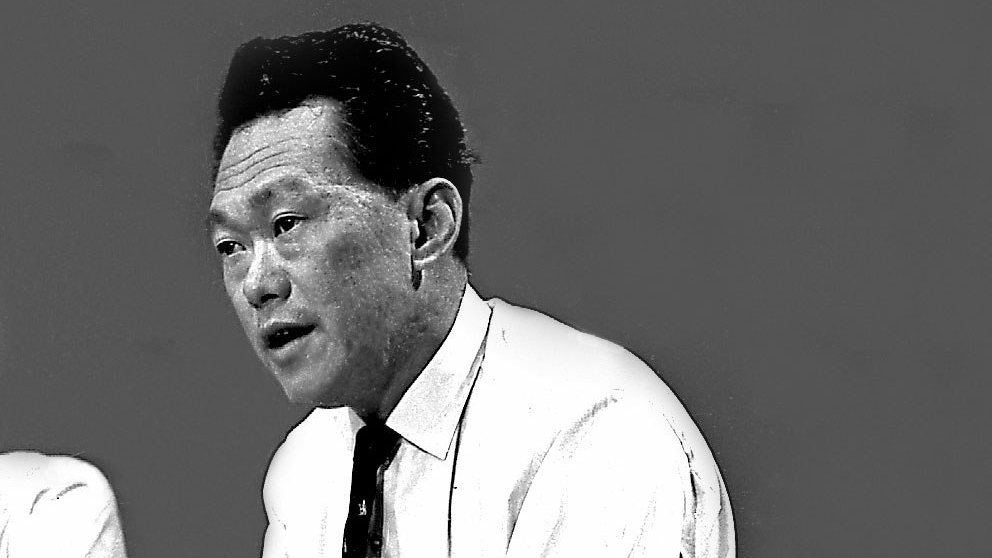
Getting the Best Out of Life: Lee Kuan Yew’s Lessons on Aging, Purpose, and Staying Alive

7
There are people who grow old, and there are people who continue growing.
The late Lee Kuan Yew believed the difference lies in one thing: purpose.
In a deeply personal reflection on aging, health, discipline, and life, Lee shared the habits and mindset that allowed him to remain mentally sharp and physically active well into old age. His message was not about merely living longer — it was about living meaningfully.
The Turning Point: Health Is Not Permanent
Like many young people, Lee once assumed good health would always be there. He smoked heavily, drank beer frequently, and pushed his body hard during political campaigns.
But one election campaign changed everything.
After losing his voice from excessive smoking, he realized he had a choice: continue destructive habits or preserve his ability to lead and work effectively.
He quit smoking completely despite the addiction and later became highly sensitive to cigarette smoke. That single decision became one of the defining turning points of his life.
His story reminds us that discipline often begins when we finally understand consequences.
Aging Is a Process of Adjustment
Lee approached aging scientifically and realistically.
He learned that physical decline is inevitable after youth, but mental sharpness and quality of life can still be preserved through constant adaptation. He adjusted his diet, exercise, and daily routines as his body changed over time.
When he developed heart problems in his seventies, he took immediate action. He changed his eating habits, followed medical advice, and embraced exercise more seriously.
He did not deny aging.
He adapted to it.
That is an important distinction.
Exercise Is Not Optional
One of the most striking parts of Lee’s reflection was how he transformed from a golf enthusiast into someone who embraced aerobic exercise.
Initially, he resisted running. But after encouragement from his daughter, he began walking faster between golf shots, then running, and eventually prioritizing exercise entirely over golf.
He understood something many people ignore:
A sedentary life accelerates decline.
Movement keeps the body alive. Challenge keeps the mind alive.
Isolation Is the Real Enemy
Perhaps the most powerful lesson from Lee Kuan Yew was his warning about isolation.
He believed human beings are social creatures who require stimulation, interaction, and meaningful engagement with the world.
According to him, the greatest danger in retirement is not lack of money — it is loss of purpose.
He observed that many retirees slowly withdraw into small routines, disconnected from society, eventually losing curiosity, energy, and motivation.
Lee rejected that completely.
Even in old age, he traveled, attended meetings, exchanged ideas, and stayed connected to global affairs because he believed engagement with the world keeps the spirit alive.
Retirement Without Purpose Is Decline
Lee strongly challenged the traditional idea of retirement.
He warned that if people retire with no mission beyond leisure, comfort, and passive entertainment, they begin deteriorating quickly.
His words were blunt but insightful:
“The human being needs a challenge.”
Purpose creates momentum.
Whether it is work, family, community service, learning, writing, mentoring, building, or contributing — people need a reason to wake up every morning.
Without that, life becomes smaller and smaller.
Finish Well
One of the most inspiring aspects of Lee’s philosophy was his determination to “finish well.”
He did not obsess about living forever.
He focused on staying useful, mentally engaged, physically active, and socially connected for as long as possible.
That mindset applies to everyone — regardless of age.
A meaningful life is not measured only by wealth, status, or achievements. It is measured by whether we continue learning, adapting, contributing, and staying interested in the world around us.
Final Thoughts
Lee Kuan Yew’s reflections on aging offer lessons far beyond health.
They are lessons about discipline, resilience, curiosity, and purpose.
His message can be summarized simply:
- Take care of your body early.
- Adapt as you age.
- Stay mentally engaged.
- Never isolate yourself.
- Keep challenging yourself.
- Live with purpose until the very end.
Because the moment a person stops growing, stops caring, and stops engaging with life — decline begins.
And perhaps that is why Lee Kuan Yew believed the secret to longevity was not merely medicine or genetics.
It was having a reason to keep going.
Source : Lee Kuan Yew
 Indie Borneo