
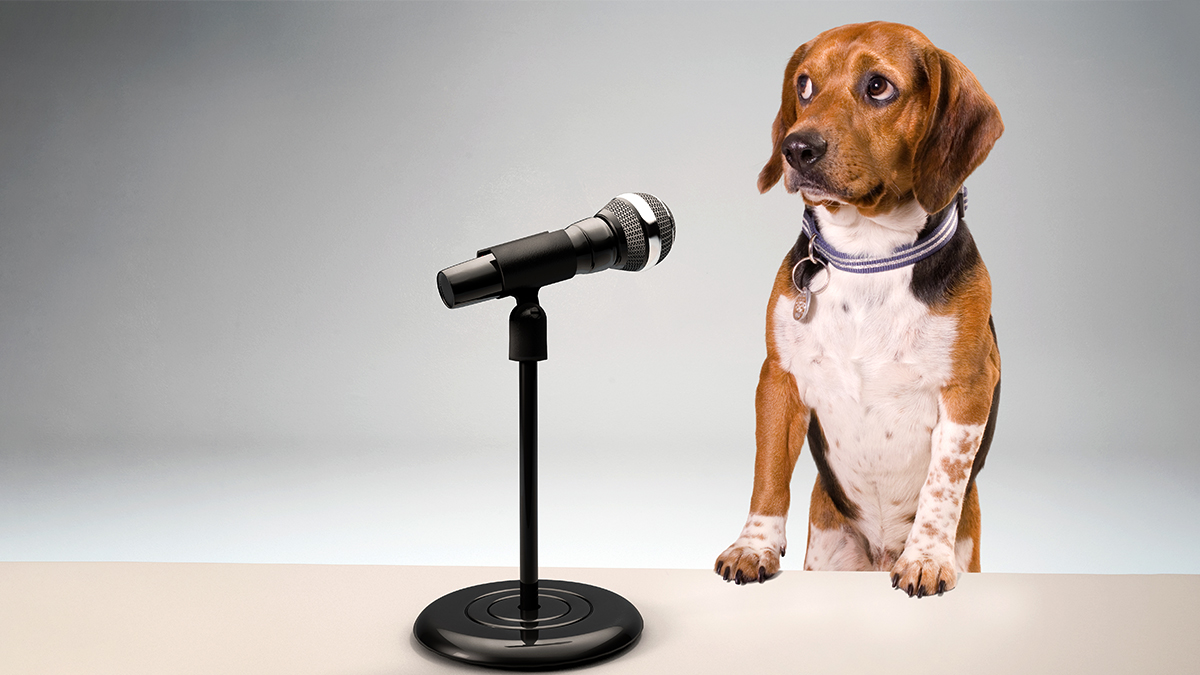
Most people — even successful leaders, executives, and professionals — struggle with public speaking anxiety. The fear of standing in front of an audience, feeling watched, judged, and exposed, is deeply human. Yet according to speech coach Sarah Gershman, the solution may not be about becoming more confident. Instead, it is about becoming more generous.
Why Public Speaking Feels So Terrifying
When people explain why they fear public speaking, the answers are often similar:
- “I don’t like being watched.”
- “I hate the spotlight.”
- “I feel nervous when everyone looks at me.”
This fear is rooted deep in human evolution. Thousands of years ago, being watched often meant danger. Human brains evolved to interpret intense attention as a threat. Today, even though we are no longer facing predators, our brains still react to audiences as if we are under attack.
That is why many speakers experience physical symptoms such as:
- shaky hands
- rapid heartbeat
- shortness of breath
- sweating
- trembling voice
The brain’s fight-or-flight response activates automatically.
The Mistake Most Speakers Make
Because the brain feels threatened, speakers instinctively try to protect themselves. They avoid eye contact, stare at slides, hide behind notes, or speak without truly engaging the audience. Ironically, these defensive habits increase anxiety instead of reducing it.
The more a speaker focuses on themselves — “What if I mess up?” or “What if people judge me?” — the more nervous they become.
The Real Secret: Focus on Helping Others
Research shows that generosity and kindness can calm the brain’s fear response. When people focus on helping others instead of protecting themselves, the amygdala becomes less reactive.
This idea changes public speaking completely.
Instead of asking:
- “Will they like me?”
- “Will I fail?”
- “Do I sound smart enough?”
Ask:
- “How can I help this audience?”
- “What value can I give them?”
- “What problem can I solve for them?”
When speaking becomes an act of service rather than self-protection, anxiety begins to shrink.
Three Powerful Ways to Become a Better Speaker
1. Prepare for the Audience, Not the Topic
Most people start by obsessing over slides, facts, and details. But effective speakers first think about the audience.
Ask yourself:
- Who will be listening?
- Why are they here?
- What do they need from me?
- What are they worried about?
A speech becomes powerful when it directly addresses the audience’s needs and emotions.
2. Reframe Your Mind Before Speaking
The moments before speaking are usually the hardest. This is when fear and self-doubt become loudest.
Instead of feeding those thoughts, consciously redirect your focus.
Tell yourself:
“This presentation is not about me. It is about helping people.”
Over time, the brain slowly learns that public speaking is not a threat.
3. Make Real Eye Contact
Many speakers scan the room nervously without truly connecting with anyone. A more effective method is to focus on one person at a time while expressing a single thought.
This creates a feeling of genuine conversation rather than performance. It also helps calm anxiety because speaking to one individual feels more natural than trying to impress an entire crowd.
Generosity Creates Better Speakers
Great public speaking is not about perfection, charisma, or sounding impressive. It is about connection.
A generous speaker focuses less on ego and more on impact. They aim to serve, teach, inspire, and help others. Ironically, this mindset not only makes audiences respond better — it also makes speaking far less stressful.
The next time you stand in front of a crowd, stop asking:
“How do I look?”
Instead ask:
“How can I help?”
That small shift can transform public speaking from a frightening experience into a meaningful one.
Source : https://hbr.org/ by Sarah Gershman
 Indie Borneo