
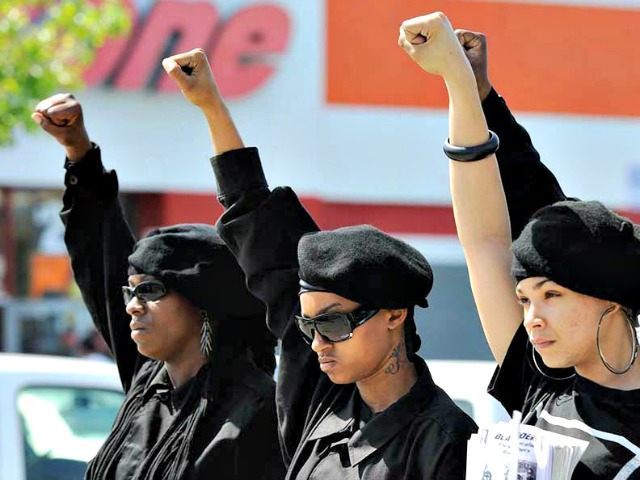
In today’s connected world, social movements no longer grow slowly through traditional institutions alone. The internet and social media have transformed how people unite, organize, and mobilize around shared causes. One powerful concept that explains this phenomenon is the “metatribe” — a loosely connected collection of groups that may differ in background, culture, or interests, but come together under a common grievance or purpose.
Understanding the “Metatribe”
A metatribe is not a single unified group. Instead, it is a network of communities that can rally together when they feel threatened, inspired, or motivated by a shared issue. Ethnic identity, historical experiences, cultural ties, or political frustrations often strengthen these bonds.
The digital era has amplified this effect. Social media platforms allow people to quickly discover others who share similar concerns, creating opportunities for rapid mobilization. What once took years of grassroots networking can now happen within weeks or even days.
The Power of Shared Grievances
Most successful movements are built around a common grievance — a belief that something is unfair and needs to change. People are more likely to unite when they feel their voices are ignored or their interests are threatened.
History shows that movements become powerful when they connect emotional identity with political or social purpose. Examples mentioned in the discussion of metatribes include:
- Hispanic communities mobilizing in response to anti-immigration rhetoric.
- The women’s blogging movement that led to the growth of online female-led communities.
- The Arab Spring, where digital communication connected diverse Islamic societies under a common call for liberation and reform.
- Political campaigns built around broad themes such as “change” and economic dissatisfaction.
These movements succeeded because they were able to unite different subgroups under a larger shared narrative.
Social Media as the New Organizing Tool
The internet has become the modern public square. Platforms like Facebook, X, TikTok, YouTube, and Telegram allow movements to spread messages instantly, bypassing traditional gatekeepers.
Digital tools help movements by:
- Sharing information rapidly.
- Coordinating protests and campaigns.
- Creating emotional solidarity.
- Building awareness globally.
- Empowering ordinary individuals to become influencers and organizers.
However, online movements still require real-world organization. Physical gatherings, community leaders, local networks, and grassroots activism remain essential. Digital momentum alone is often not enough to sustain long-term change.
Why Identity Still Matters
Movements become especially powerful when they are tied to identity — whether ethnic, cultural, historical, or ideological. Identity creates emotional loyalty and long-term commitment.
This explains why many political and social groups attempt to appeal to identity-based communities. When people feel their identity is under pressure, they are more likely to unite and act collectively.
In multicultural societies, this can create both opportunities and risks:
- Opportunities for marginalized communities to gain representation.
- Risks of division if identity politics becomes too extreme.
The challenge is balancing unity with diversity.
The Future: A “Metatribe of Metatribes”
Modern movements are increasingly becoming coalitions of multiple communities working together. The most successful future movements may not depend on one single identity group, but rather alliances between many smaller groups united by common goals.
This “metatribe of metatribes” approach allows movements to:
- Expand influence.
- Reach broader audiences.
- Share resources and strategies.
- Strengthen political bargaining power.
In the future, the biggest movements will likely be those capable of connecting many different communities into one larger vision for change.
Final Thoughts
The rise of the metatribe shows how technology, identity, and shared grievances are reshaping modern activism and politics. Social media has empowered ordinary people to organize faster than ever before, while identity and collective purpose continue to drive emotional commitment.
Whether in politics, social justice, economic reform, or cultural movements, the ability to unite diverse groups under a common cause may become the defining factor of successful movements in the digital age.
Source : https://www.forbes.com/ by Giovanni Rodriguez.
 Indie Borneo