
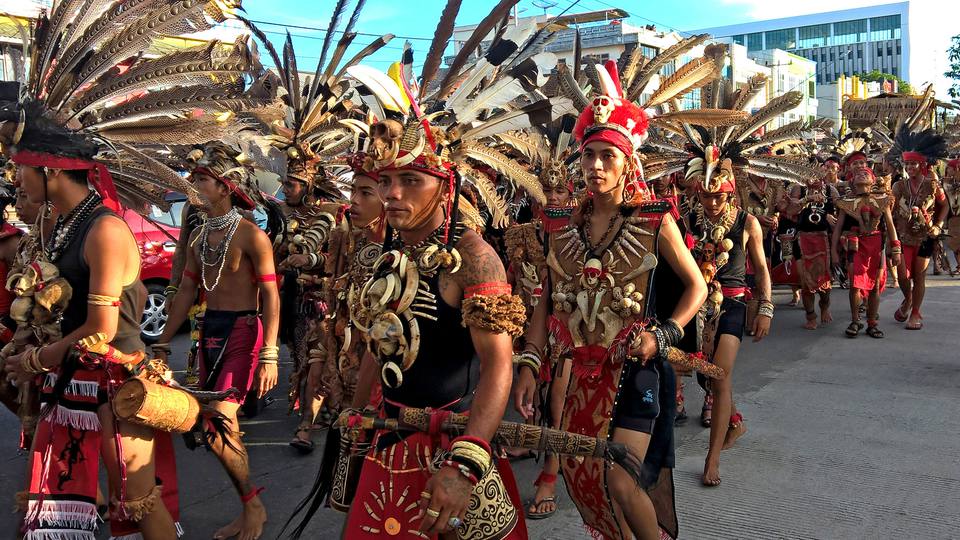
The future of the Dayak community is one of the most important questions facing indigenous politics in Malaysia today. Despite being among the largest indigenous groups in Sarawak and parts of Sabah, many Dayaks continue to feel politically marginalized and economically left behind.
For decades, the community has contributed significantly to the development of the nation, yet many rural Dayak areas still struggle with limited infrastructure, lack of economic opportunities, land disputes, and uneven access to quality education and healthcare. While political leaders frequently speak about development and inclusiveness, many Dayaks feel their rights and interests are often compromised in larger political negotiations.
A Community Caught Between Political Interests
One of the growing frustrations among Dayaks is the belief that indigenous concerns are frequently sacrificed for political survival, coalition interests, or personal gain.
The reality of Malaysian politics remains heavily influenced by ethnic-based representation and power structures. Although multi-racial political parties promote ideals of national unity and equal representation, many Dayaks feel that indigenous voices are often overshadowed by larger and more dominant political groups.
This has led to increasing concerns that without a united and focused political force, the Dayak community will continue to remain weak stakeholders in decisions affecting:
- native customary rights (NCR) land,
- rural development,
- education,
- economic participation,
- and indigenous cultural preservation.
Many Dayaks are now questioning whether relying entirely on broader multi-racial political platforms is enough to protect their long-term future.
The Need for Dayak Political Unity
Political influence comes from organization, numbers, and unity. The Dayak population has the potential to become a major political force, especially in parliamentary and rural constituencies across Borneo.
However, this strength can only emerge if the community overcomes internal divisions and works collectively toward shared goals.
The Dayak community consists of many ethnic groups, including the Iban, Bidayuh, Orang Ulu, and numerous smaller indigenous communities. While culturally diverse, political fragmentation has often weakened collective bargaining power.
To move forward, four important foundations are needed.
1. Unity as a Political Bloc
A divided community cannot negotiate from a position of strength.
Unity does not mean abandoning tribal identities or cultural traditions. Instead, it means recognizing that many challenges faced by Dayaks are shared across communities:
- land rights,
- economic inequality,
- youth migration,
- educational access,
- and rural underdevelopment.
When communities unite behind common priorities, their political voice becomes far more difficult to ignore.
2. Building a Strong and Independent Political Force
Many believe the Dayak community needs a stronger and more focused political platform that prioritizes indigenous concerns consistently and independently.
Such a movement should not be based on racial hostility or division, but on:
- representation,
- fairness,
- empowerment,
- and equitable development.
A strong political force would help ensure that Dayak concerns remain central in national and state discussions rather than becoming secondary issues during political negotiations.
3. Clear Goals and Long-Term Vision
Political strength means little without direction.
The Dayak community must define clearly what kind of future it wants for the next generation. This includes focusing on:
- better education,
- economic empowerment,
- digital and professional skills,
- business ownership,
- infrastructure development,
- and preservation of indigenous identity and rights.
A successful political movement must think beyond elections and focus on long-term transformation.
4. Leadership Built on Integrity
Leadership remains one of the most important factors in determining whether any political movement succeeds or fails.
Communities become weaker when leaders prioritize:
- personal wealth,
- political positions,
- or elite interests
above the needs of the people.
The Dayak community needs leaders who are:
- principled,
- selfless,
- disciplined,
- accountable,
- and genuinely committed to serving future generations.
Without trustworthy leadership, even the strongest movements can eventually collapse from internal conflict and corruption.
Political Power Alone Is Not Enough
The future of the Dayak community cannot depend entirely on politics alone.
Real strength also comes from:
- education,
- entrepreneurship,
- financial literacy,
- community cooperation,
- and economic independence.
A politically active community that remains economically weak will continue to struggle for long-term influence. That is why investment in youth development, business opportunities, modern agriculture, and professional advancement is equally important.
The future belongs to communities that can control knowledge, skills, institutions, and economic resources.
Rewriting the Dayak Future
The Dayak community now stands at an important crossroads.
The political landscape in Malaysia is changing rapidly, and the future will depend largely on whether Dayaks can unite behind a common purpose and long-term vision.
The struggle is not simply about politics. It is about dignity, representation, survival, and ensuring future generations inherit greater opportunities than previous generations.
Unity alone will not solve every problem, but without unity, meaningful change becomes far more difficult.
The future of the Dayak community will ultimately depend on its ability to organize, empower itself, and shape its own destiny with confidence, wisdom, and collective strength.
Adapted from Senator Waytha Moorthy of MAP Party
 Indie Borneo